






Name: West Yorkshire Local Nature Recovery Strategy: Phase 03
Date: 2025
Location: West Yorkshire, UK
Client: Street Space & West Yorkshire Combined Authority
Collaborators: Cromwell Bottom Wildlife Group, The Fields Community Spaces, Healthy Minds Apprentices, Mary Seacole Memorial Gardens, Open Country, Support 2 Recovery and Visits Unlimited.
Location: West Yorkshire, UK
Client: Street Space & West Yorkshire Combined Authority
Collaborators: Cromwell Bottom Wildlife Group, The Fields Community Spaces, Healthy Minds Apprentices, Mary Seacole Memorial Gardens, Open Country, Support 2 Recovery and Visits Unlimited.
Ahead of a region-wide public consultation, I was commissioned to lead a deep listening exercise to involve people whose experiences are often missing from environmental policy, in the development of the West Yorkshire Local Nature Recovery Strategy (WYLNRS).
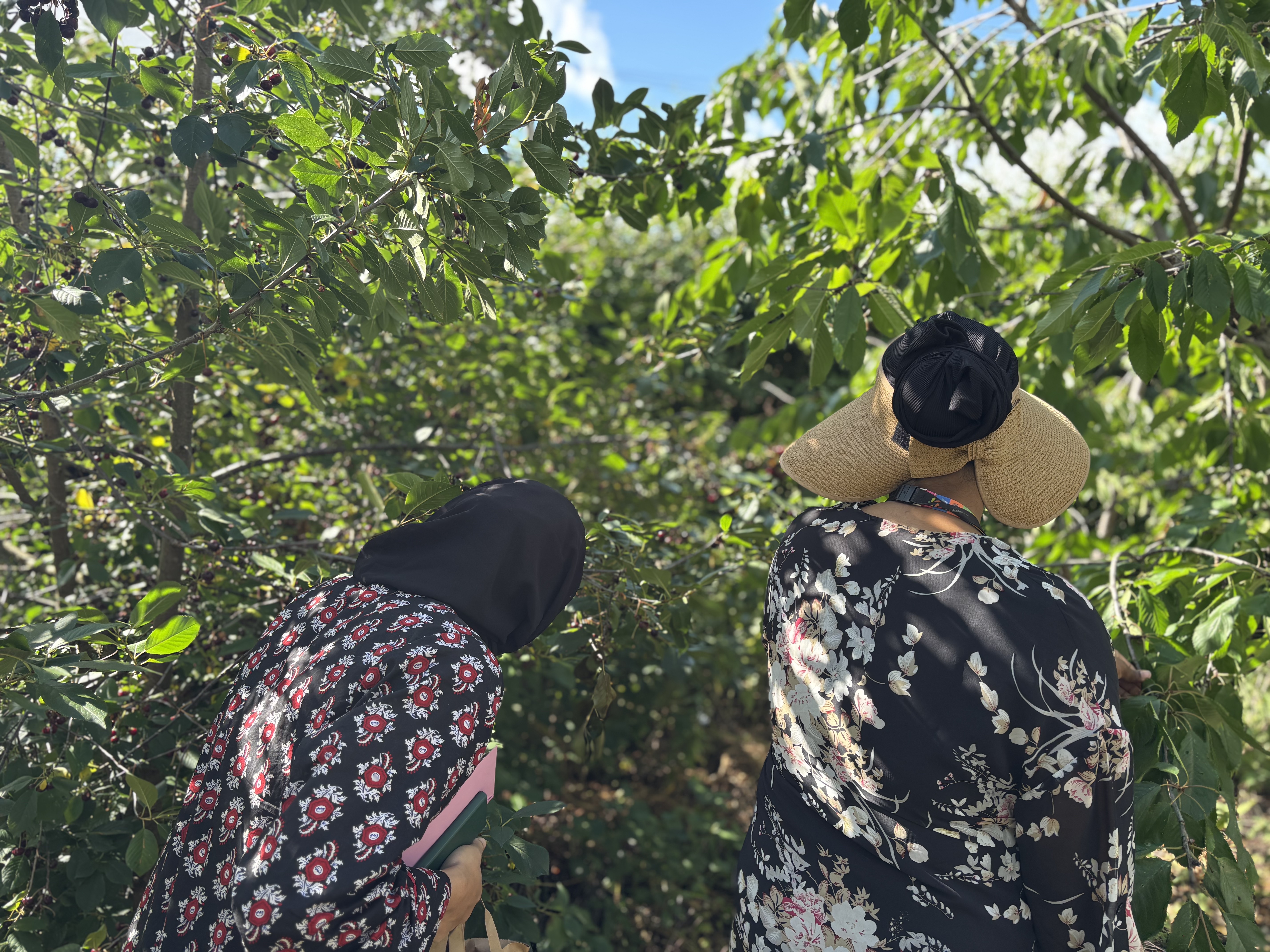
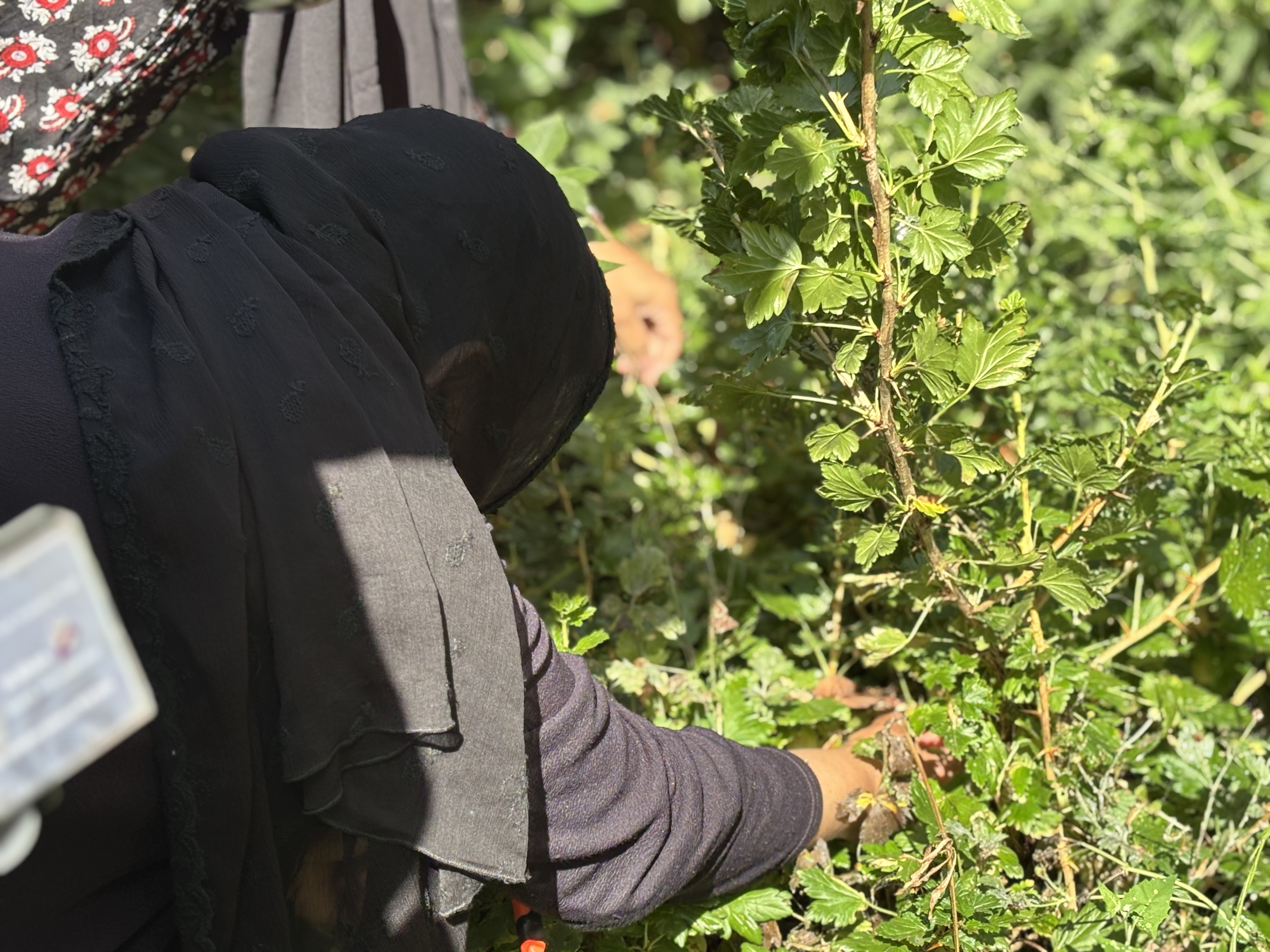
Working across Bradford, Kirklees, Wakefield, Leeds and Calderdale, I partnered with local groups to co-create events that enabled meaningful conversations with a range of different people lincluding those living with disabilities; young people and women from minority ethnic backgrounds and people living in deprived areas.
Despite a tight timeframe and the challenges of engaging groups who often face barriers to participation, the approach centred on collaboration, care and creating experiences that felt valuable to those taking part. Through community-led partnerships and events, people shared what nature means to them, the obstacles they face in accessing green space, and what a fairer, more inclusive approach to nature recovery might look like.
These insights were synthesised into a set of clear, actionable recommendations that directly inform the WYLNRS, helping the strategy better reflect the needs, priorities and lived experiences of the communities it aims to serve.
Working across Bradford, Kirklees, Wakefield, Leeds and Calderdale, I partnered with local groups to co-create events that enabled meaningful conversations with a range of different people lincluding those living with disabilities; young people and women from minority ethnic backgrounds and people living in deprived areas.
Despite a tight timeframe and the challenges of engaging groups who often face barriers to participation, the approach centred on collaboration, care and creating experiences that felt valuable to those taking part. Through community-led partnerships and events, people shared what nature means to them, the obstacles they face in accessing green space, and what a fairer, more inclusive approach to nature recovery might look like.
These insights were synthesised into a set of clear, actionable recommendations that directly inform the WYLNRS, helping the strategy better reflect the needs, priorities and lived experiences of the communities it aims to serve.