



Name: West Yorkshire Local Nature Recovery Strategy: Phase 01
Date: 2024
Location: West Yorkshire, UK
Client: Street Space & West Yorkshire Combined Authority
Collaborators: Nifty Sustainability
Date: 2024
Location: West Yorkshire, UK
Client: Street Space & West Yorkshire Combined Authority
Collaborators: Nifty Sustainability
Between November 2023 and March 2024, Street Space and Nifty Sustainability were commissioned by the West Yorkshire Combined Authority to engage with farmers and landowners to inform the emerging Local Nature Recovery Strategy. I was commissioned by Street Space to design and deliver a deep listening programme that centred farmers’ experiences before any drafting began.
This was a challenging phase of work, shaped by a long history of national policies and funding schemes that have undermined trust between farmers and government. To help bridge this gap, we worked closely with Nathan, a West Yorkshire–based farmer, who supported us to approach conversations in ways that felt respectful, grounded and genuinely useful.
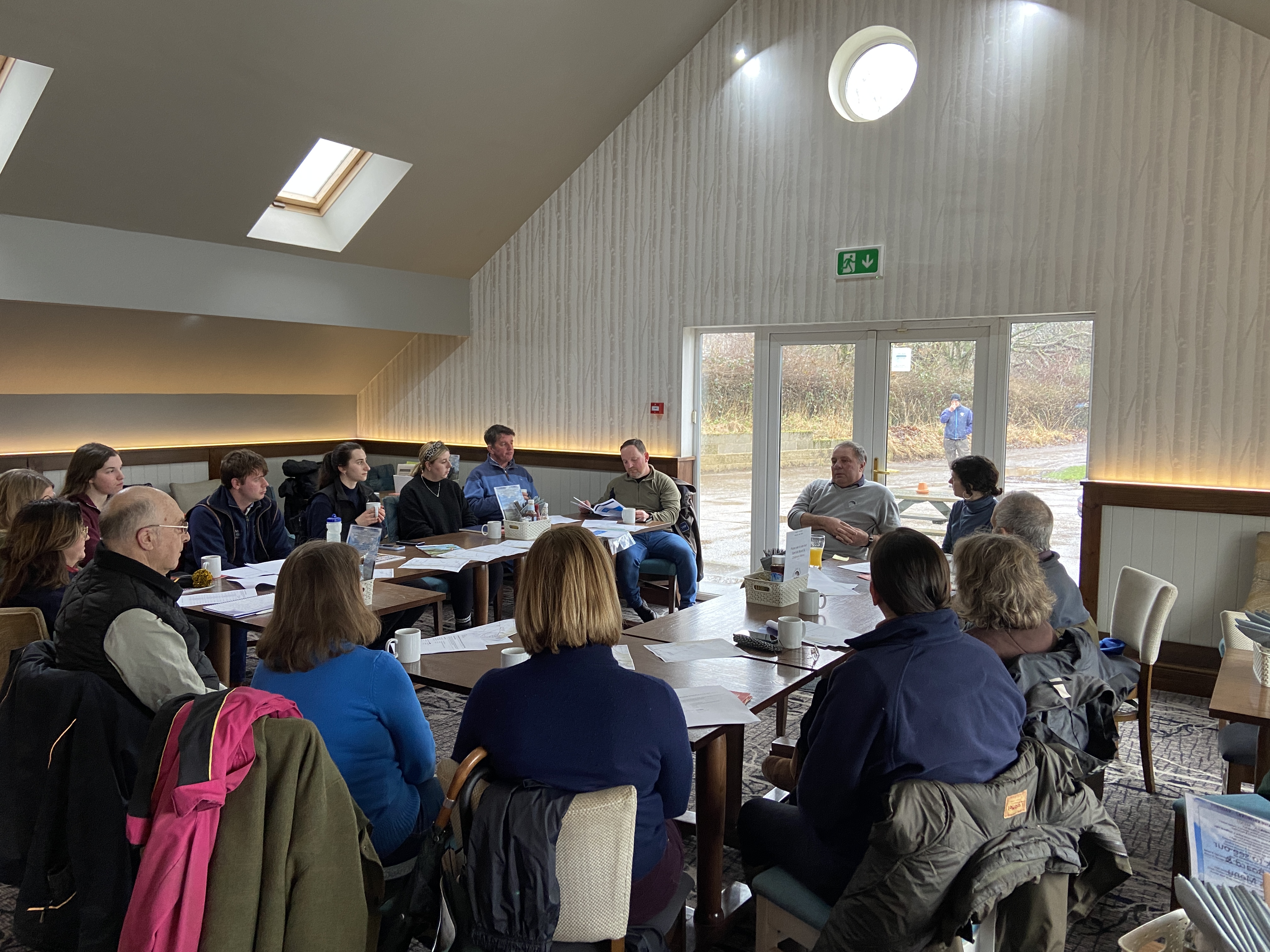
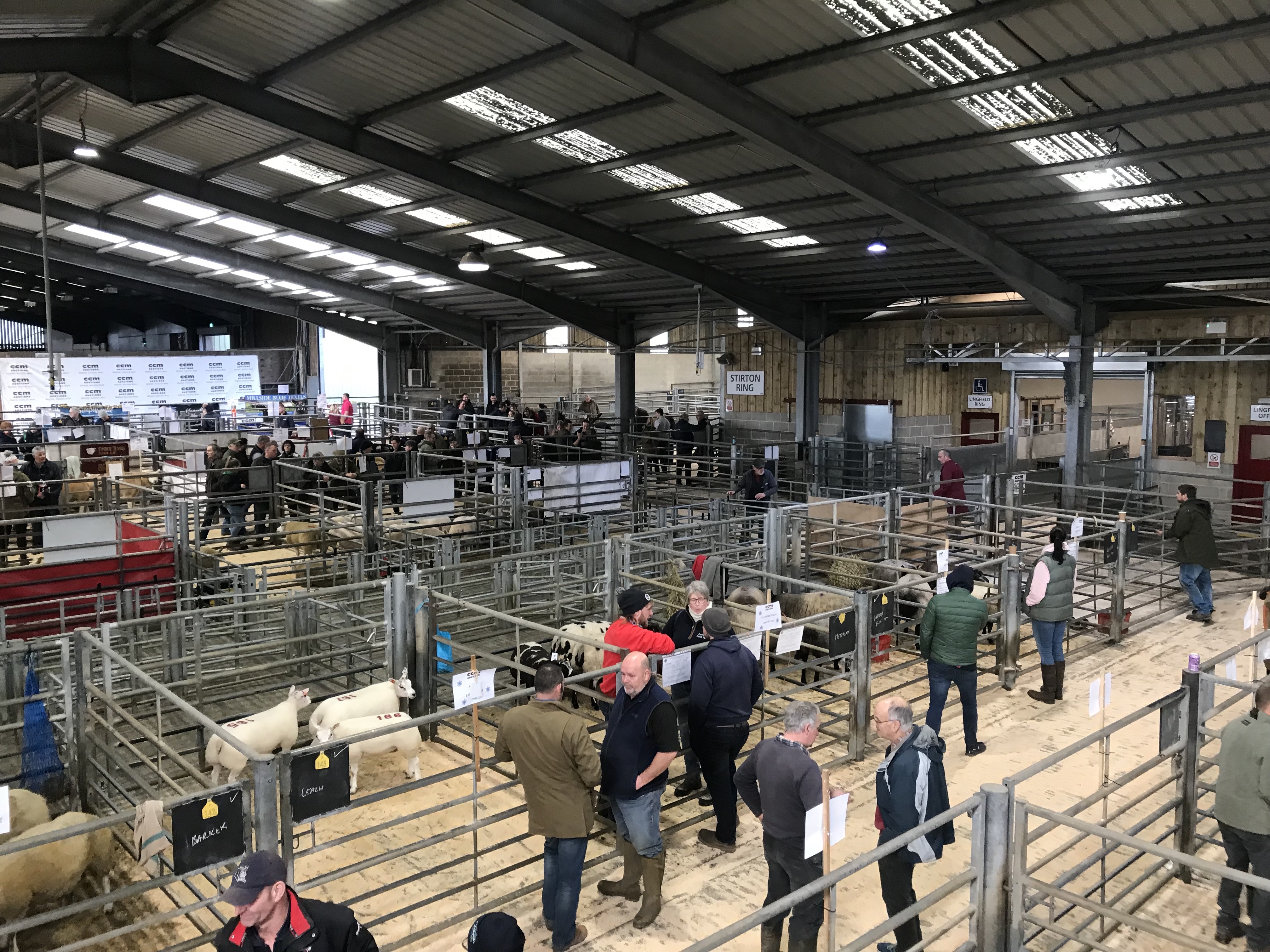
Over six months, we visited farms, conducted interviews, hosted workshops and events and circulated surveys. This varied approach helped us reach people with very different relationships to the land, including those who don’t usually take part in engagement, and supported honest, empathetic conversations.
Farmers and landowners told us they care deeply about their culture, community and livelihoods, and want this heritage to continue for future generations. They also described significant uncertainty, conflicting schemes, and tensions around decision-making, particularly between tenant farmers and landowners.
The insights from this phase were distilled into six guiding principles for the strategy, providing a grounded, locally informed foundation for building trust and ensuring that nature recovery in West Yorkshire is shaped by the people closest to the land.
This was a challenging phase of work, shaped by a long history of national policies and funding schemes that have undermined trust between farmers and government. To help bridge this gap, we worked closely with Nathan, a West Yorkshire–based farmer, who supported us to approach conversations in ways that felt respectful, grounded and genuinely useful.
Over six months, we visited farms, conducted interviews, hosted workshops and events and circulated surveys. This varied approach helped us reach people with very different relationships to the land, including those who don’t usually take part in engagement, and supported honest, empathetic conversations.
Farmers and landowners told us they care deeply about their culture, community and livelihoods, and want this heritage to continue for future generations. They also described significant uncertainty, conflicting schemes, and tensions around decision-making, particularly between tenant farmers and landowners.
The insights from this phase were distilled into six guiding principles for the strategy, providing a grounded, locally informed foundation for building trust and ensuring that nature recovery in West Yorkshire is shaped by the people closest to the land.