





Name: Forest Lane Park Restoration Project
Date: 2024
Location: Newham, London, UK
Client: Arkwood Landscape Architects & Newham Council
Collaborators: Neandra Etienne & Matt Ponting
Date: 2024
Location: Newham, London, UK
Client: Arkwood Landscape Architects & Newham Council
Collaborators: Neandra Etienne & Matt Ponting
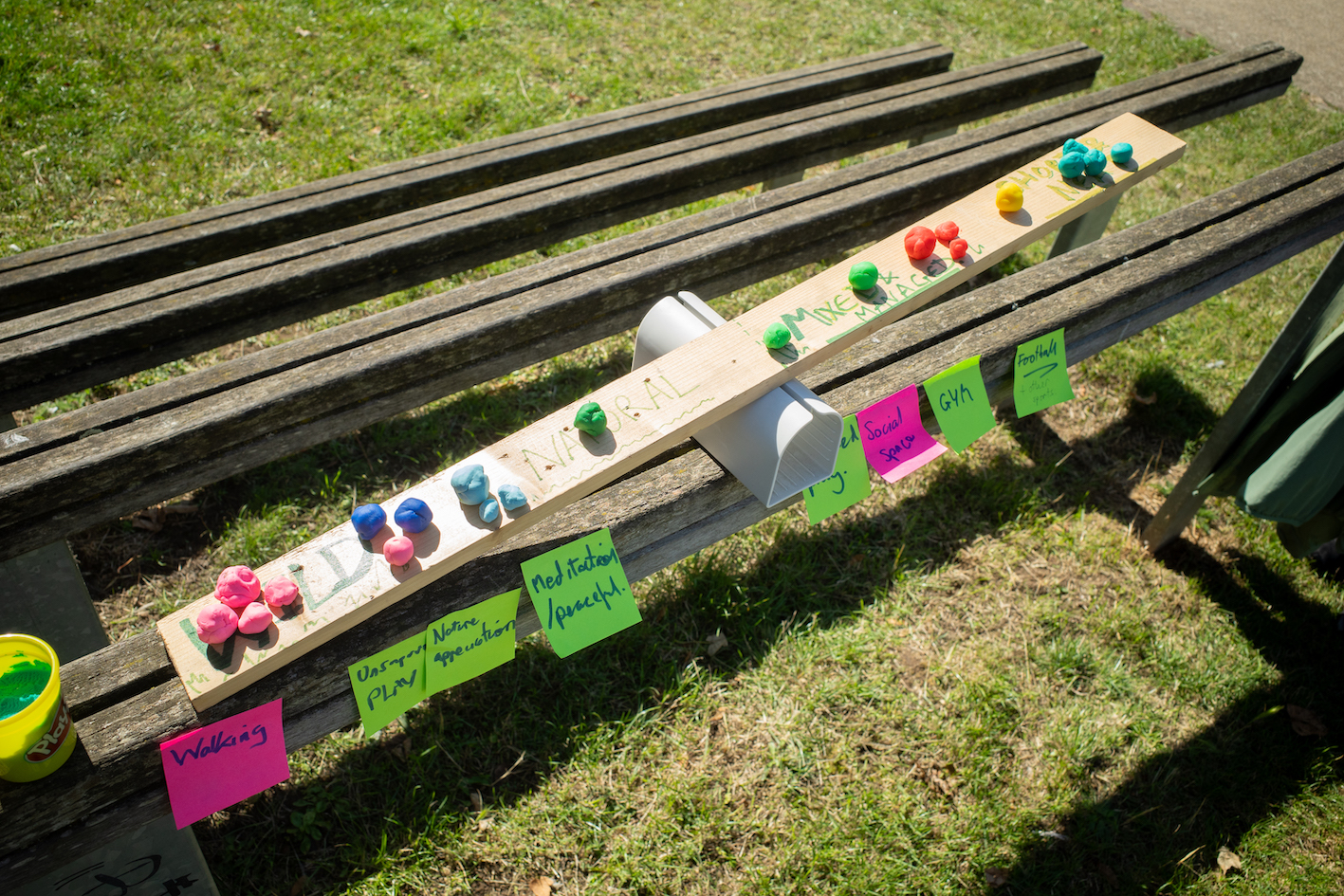
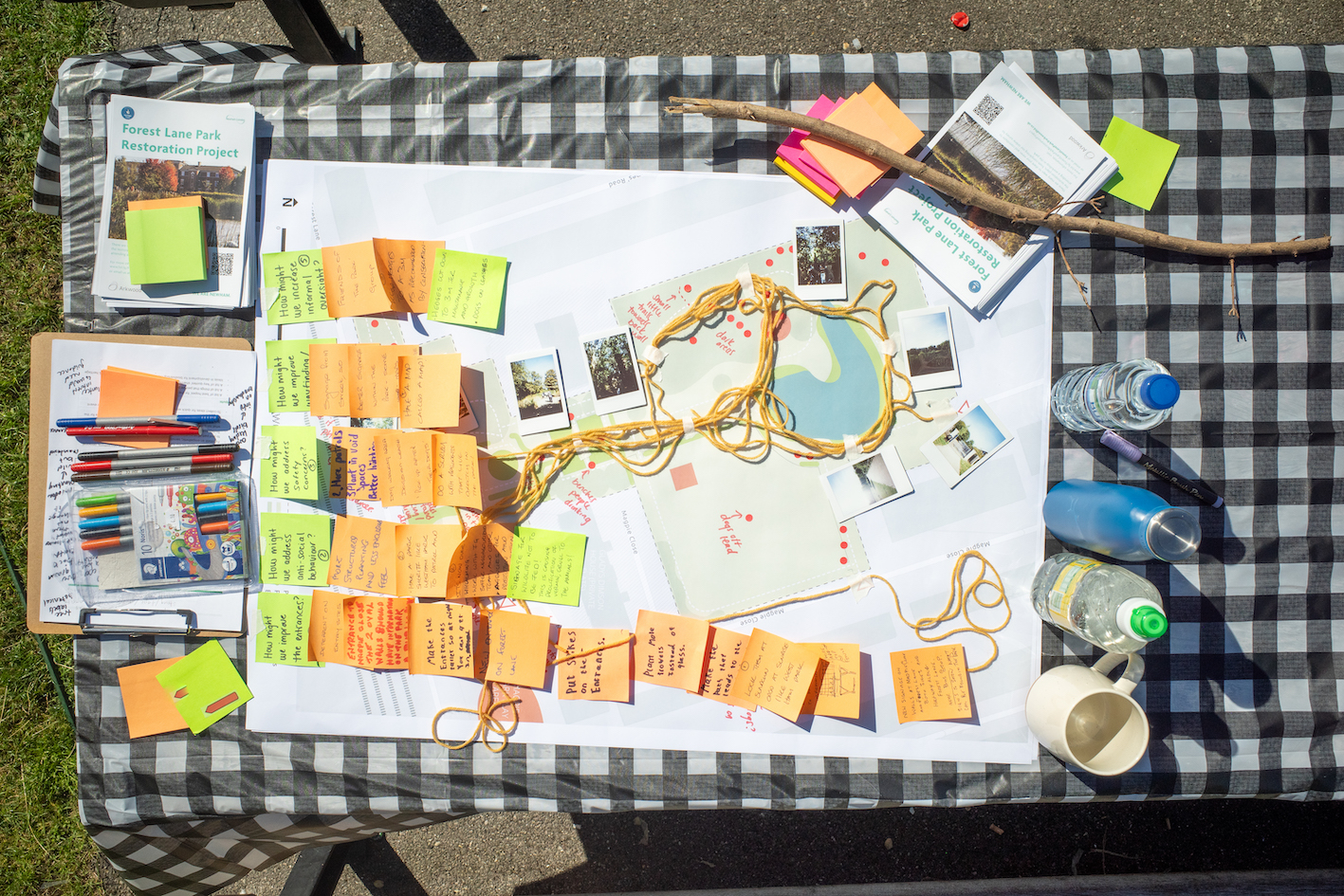
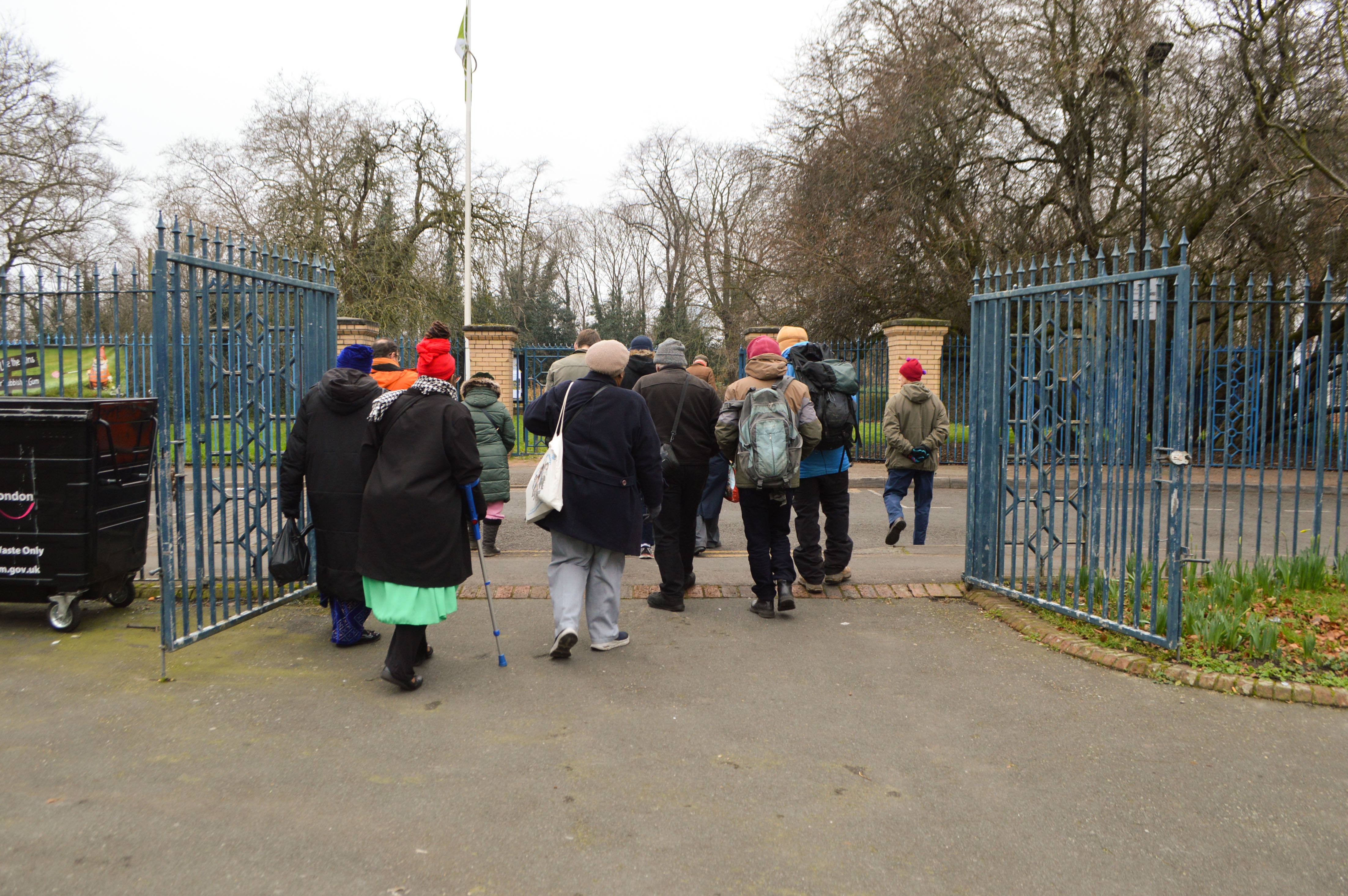
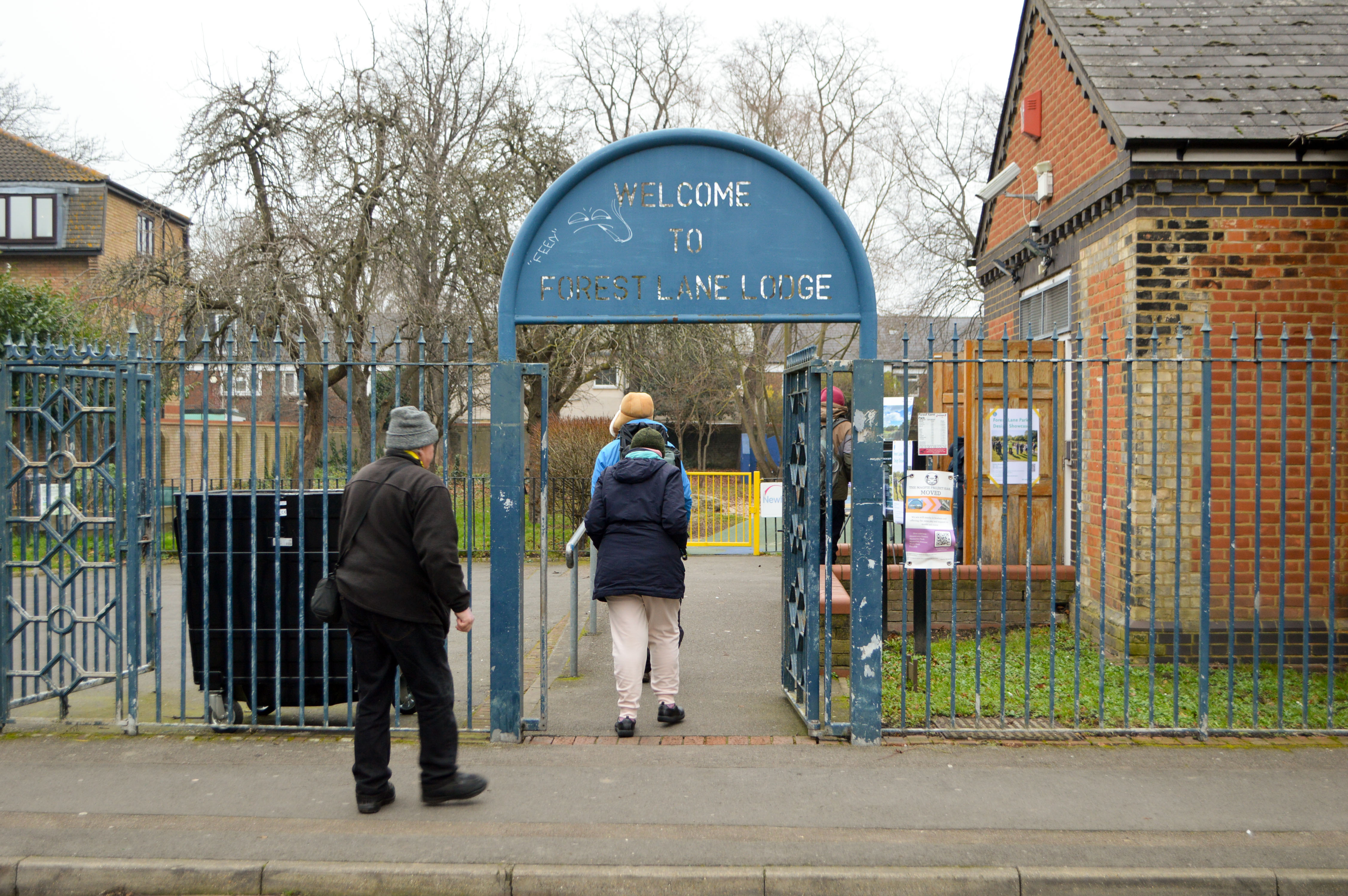
I was commissioned by Arkwood Landscape Architects and the London Borough of Newham to lead community engagement for the Forest Lane Park Restoration Project and the co-design of a new sculpture celebrating local activist Lucel Tate. From July to November 2024, I worked closely with residents, community groups and local creatives to uncover the park’s hidden histories, understand how people use and experience the space, and gather ideas to shape the emerging restoration plans.
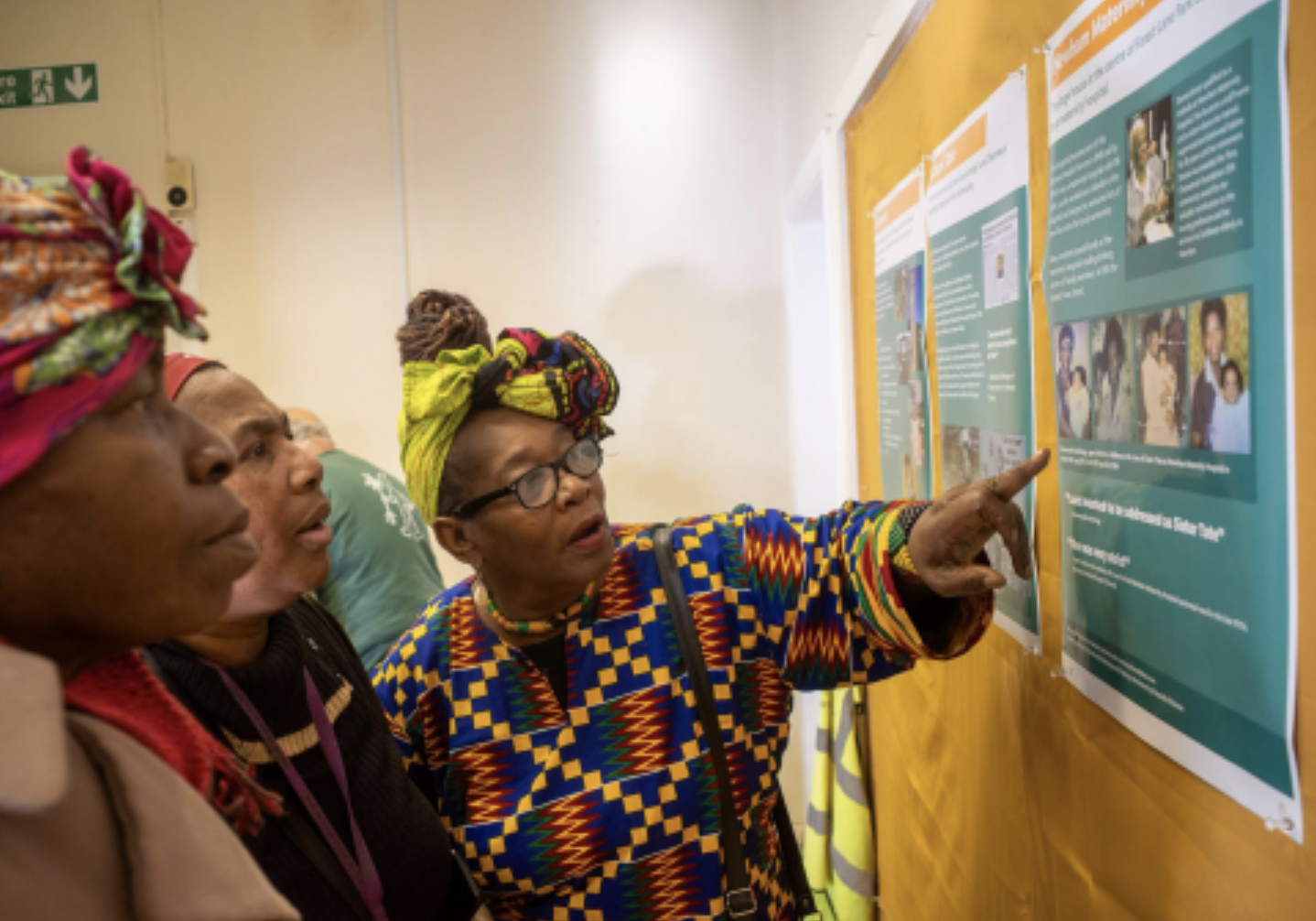
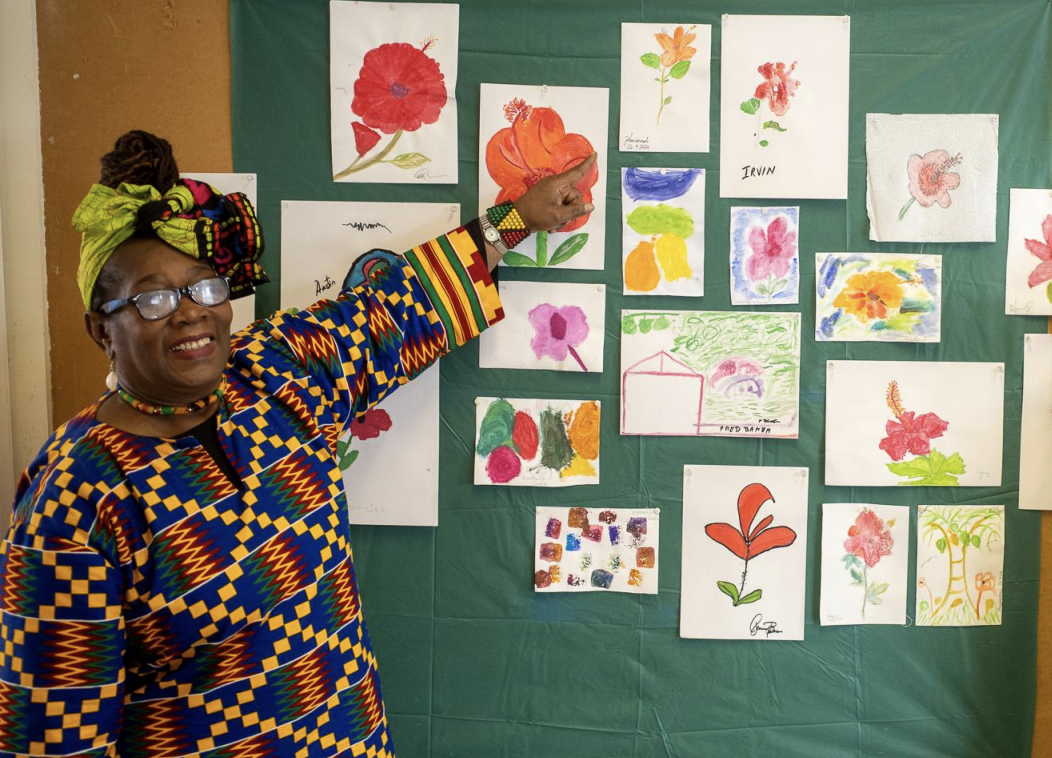
Through pop-ups, workshops, oral history interviews, creative sessions with Caribbean Elders, and a Black History Month exhibition, the project engaged more than 350 people. The insights generated highlight what local people value most about the park: its biodiversity; tranquility, and deep sense of heritage, while surfacing barriers like safety concerns, maintenance issues and a lack of visibility and identity.
The engagement work has helped form a community-rooted brief for the future of the park: enhancing natural ecosystems, improving accessibility and safety, celebrating its layered histories, reinstating and reimagining the Lucel Tate statue. The findings now guide the next phase of design, ensuring the restoration plans and new sculptures are grounded in the ideas of local people.
Through pop-ups, workshops, oral history interviews, creative sessions with Caribbean Elders, and a Black History Month exhibition, the project engaged more than 350 people. The insights generated highlight what local people value most about the park: its biodiversity; tranquility, and deep sense of heritage, while surfacing barriers like safety concerns, maintenance issues and a lack of visibility and identity.
The engagement work has helped form a community-rooted brief for the future of the park: enhancing natural ecosystems, improving accessibility and safety, celebrating its layered histories, reinstating and reimagining the Lucel Tate statue. The findings now guide the next phase of design, ensuring the restoration plans and new sculptures are grounded in the ideas of local people.